Anúncios
Creating a simple monthly budget that works starts with understanding how much money is coming in and going out each month. A practical budget is one that tracks income, categorizes expenses, and adjusts based on real-life spending habits. This approach helps avoid unnecessary stress and makes financial goals achievable.

Many people struggle with budgeting because they overcomplicate the process or don’t tailor it to their unique situation. A straightforward plan considers one’s individual income, essential expenses, and areas where saving is possible. By focusing on manageable steps and realistic goals, anyone can build a budget that fits their lifestyle.
A budget is a tool for control, not restriction. It allows individuals to allocate funds toward priorities such as savings, debt repayment, or daily spending, ensuring they live within their means. This article outlines how to create a monthly budget that is clear, flexible, and effective.
Understanding the Basics of a Monthly Budget
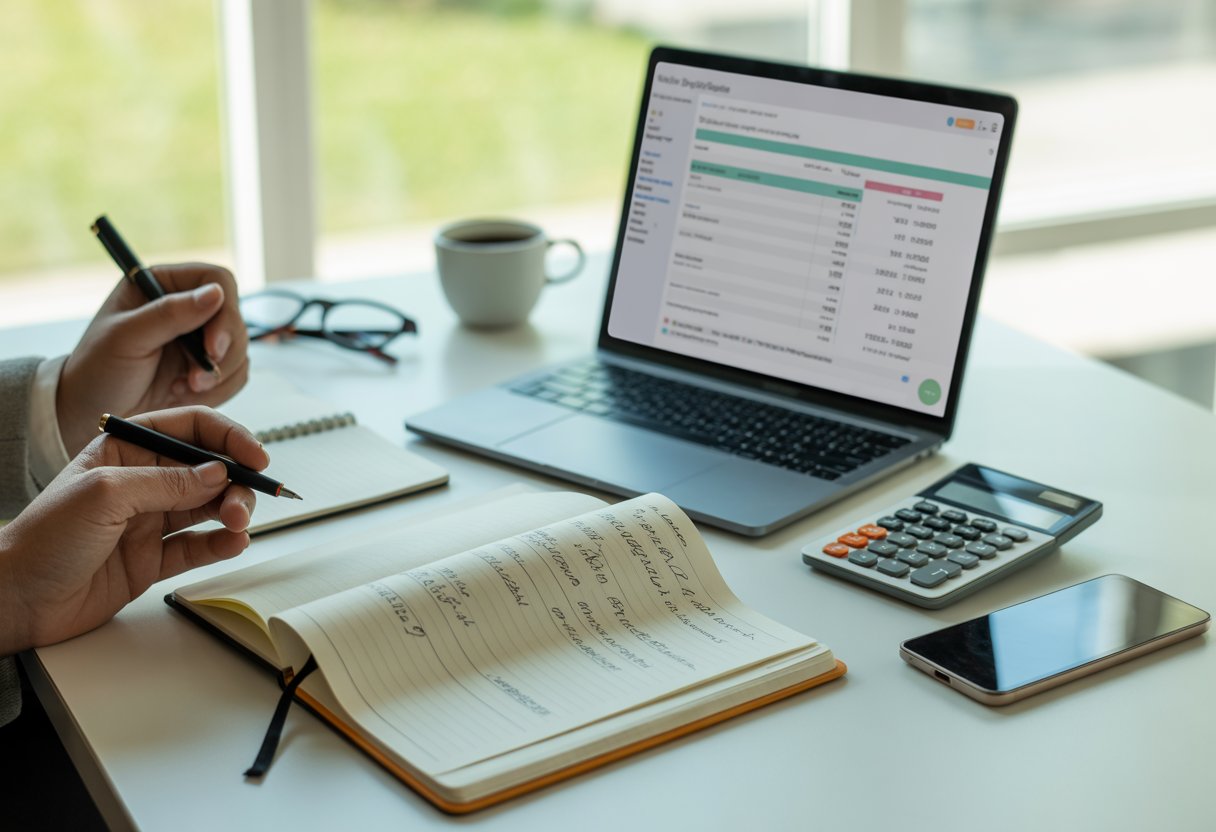
Creating a monthly budget requires clear financial priorities, an accurate understanding of income, and a detailed list of expenses. Establishing these elements helps form a practical plan that aligns spending with financial goals and daily needs.
Defining Your Financial Goals
Setting clear financial goals gives purpose and direction to a budget. Goals can be short-term, like saving for a vacation, or long-term, such as building an emergency fund or retirement savings.
Goals should be specific, measurable, and realistic. For example, aiming to save $300 in three months or pay off a credit card balance within six months ensures focus and discipline.
Clear goals guide spending decisions and help prioritize where to allocate money. Without goals, budgeting lacks motivation and structure, making it harder to maintain healthy financial habits.
Identifying Income Sources
A budget starts with knowing exactly how much money comes in monthly. This includes regular income like salaries, freelance payments, dividends, and any additional sources that provide cash flow.
It is important to calculate net income, which is the amount available after taxes and deductions. Using gross income can lead to overestimating spending capacity.
Confidence in income totals allows for accurate expense planning. If income varies, averaging earnings over several months provides a more reliable baseline.
Listing Essential and Non-Essential Expenses
Expenses fall into two categories: essential and non-essential. Essentials cover necessary payments such as rent or mortgage, utilities, groceries, transportation, and insurance. These are fixed or recurring costs needed for daily living.
Non-essential expenses include dining out, entertainment, subscriptions, and other discretionary spending. Tracking both types clarifies where adjustments can be made if needed.
Creating a table to list and categorize expenses can help visualize spending:
| Expense Type | Examples | Monthly Amount |
|---|---|---|
| Essential | Rent, utilities, groceries | $ |
| Non-Essential | Restaurants, movies, gym memberships | $ |
This structure helps maintain control and identify potential savings.
Step-by-Step Process to Create a Simple Monthly Budget

A solid monthly budget starts with understanding spending habits, assigning money to essential areas, and choosing a budgeting method that fits personal preferences. These steps help keep finances organized and manageable.
Tracking Expenses Accurately
Recording all expenses is the foundation of a reliable budget. Individuals should track every purchase and bill, including small daily expenses, to get a complete picture. This process can be done manually in a notebook or spreadsheet, or by using budgeting apps that sync with bank accounts.
Categorizing expenses as fixed (rent, utilities) and variable (groceries, entertainment) helps identify where money is going. Reviewing expenses regularly ensures accuracy and highlights areas for possible savings. Tracking for at least one full month provides realistic data to build the budget.
Allocating Funds to Each Category
After tracking expenses, the next step is to assign funds to spending categories based on priorities and income. Essential categories like housing, food, and transportation should be funded first. Savings and debt repayment must have dedicated portions as well.
A simple way to allocate is to use percentages of total income, such as 30% for housing or 15% for groceries, adjusting these as needed. Setting clear limits for discretionary spending prevents overspending. Budgeters should leave room for unexpected costs by including a miscellaneous category.
Choosing the Right Budgeting Method
Selecting a budgeting method depends on lifestyle and financial goals. Popular methods include the 50/30/20 rule (50% needs, 30% wants, 20% savings), envelope system (physical cash for categories), and zero-based budgeting (income minus expenses equals zero).
Each method has its benefits: the 50/30/20 rule is simple and balanced, while zero-based budgeting offers detailed control. It’s important to pick a system that feels sustainable, allowing adjustments as spending patterns change over time. Regularly evaluating the chosen method ensures it continues to work effectively.
Maintaining and Adjusting Your Budget Over Time
A budget is not a fixed plan; it requires ongoing attention to remain effective. Regularly reviewing spending patterns, adapting to life changes, and using budgeting tools help ensure the budget stays realistic and useful.
Monitoring Spending Habits
Tracking expenses consistently is essential for understanding where money goes each month. Regular review—weekly or monthly—helps identify trends or areas of overspending.
He or she should categorize spending into major groups such as housing, groceries, transportation, and entertainment. Comparing actual expenses against budgeted amounts uncovers discrepancies early.
Using simple tables or charts can make it easier to visualize spending patterns. This clarity supports better decision-making in future budgeting cycles.
Making Adjustments for Changing Circumstances
Life changes affect income and expenses frequently. Adjustments should be made when income rises or falls, new expenses emerge, or priorities shift.
Examples include job changes, moving, or unexpected medical bills. Adjusting categories like savings or discretionary spending ensures the budget reflects current reality.
It is important to keep some flexibility in the budget for surprises and to revisit goals periodically. This approach prevents financial strain and keeps the plan practical.
Using Tools and Apps for Budgeting
Digital tools simplify tracking and adjusting budgets. Many apps automatically track transactions, categorize spending, and send alerts for budget limits.
Popular budgeting apps offer features like linking bank accounts, visual reports, and goal-setting modules. These tools reduce manual work and help stay on target.
Choosing an app depends on personal preferences, but ease of use and security are key factors. Consistent use of these tools strengthens budgeting discipline and accuracy.
Tips for Making Your Monthly Budget Successful
A budget requires regular attention and practical goals to be effective. Maintaining momentum and setting achievable savings targets are essential strategies for steady progress.
Staying Motivated and Consistent
Consistency is critical for a budget to work over time. Tracking expenses daily or weekly helps maintain focus and prevents surprises at month’s end. Using budgeting apps or tools can simplify this process and provide regular reminders.
To stay motivated, it helps to set short-term goals alongside long-term objectives. Celebrating small wins, like hitting a specific savings milestone, encourages continued effort. Reviewing progress monthly allows for adjustments and reinforces the habit of budgeting.
Removing distractions such as impulse spending by creating a clear spending plan also supports consistency. Transparency with family or partners about financial goals fosters accountability.
Setting Realistic Savings Targets
Savings goals should align with actual income and expenses. Overestimating saving capacity can lead to frustration and abandonment of the budget. It is better to start with manageable amounts and increase them gradually.
A practical approach is to use the 50/30/20 rule as a benchmark: 50% for needs, 30% for wants, and 20% for savings or debt repayment. Adjust these percentages based on personal circumstances.
Regularly revisiting targets ensures they remain achievable when income or expenses change. Prioritizing emergency funds before other savings goals can provide financial stability and reduce stress.