Anúncios
Inflation is the rise in the general price level of goods and services over time, reducing the purchasing power of money. This means that as inflation increases, the same amount of money buys fewer goods and services, directly affecting everyday expenses and savings.
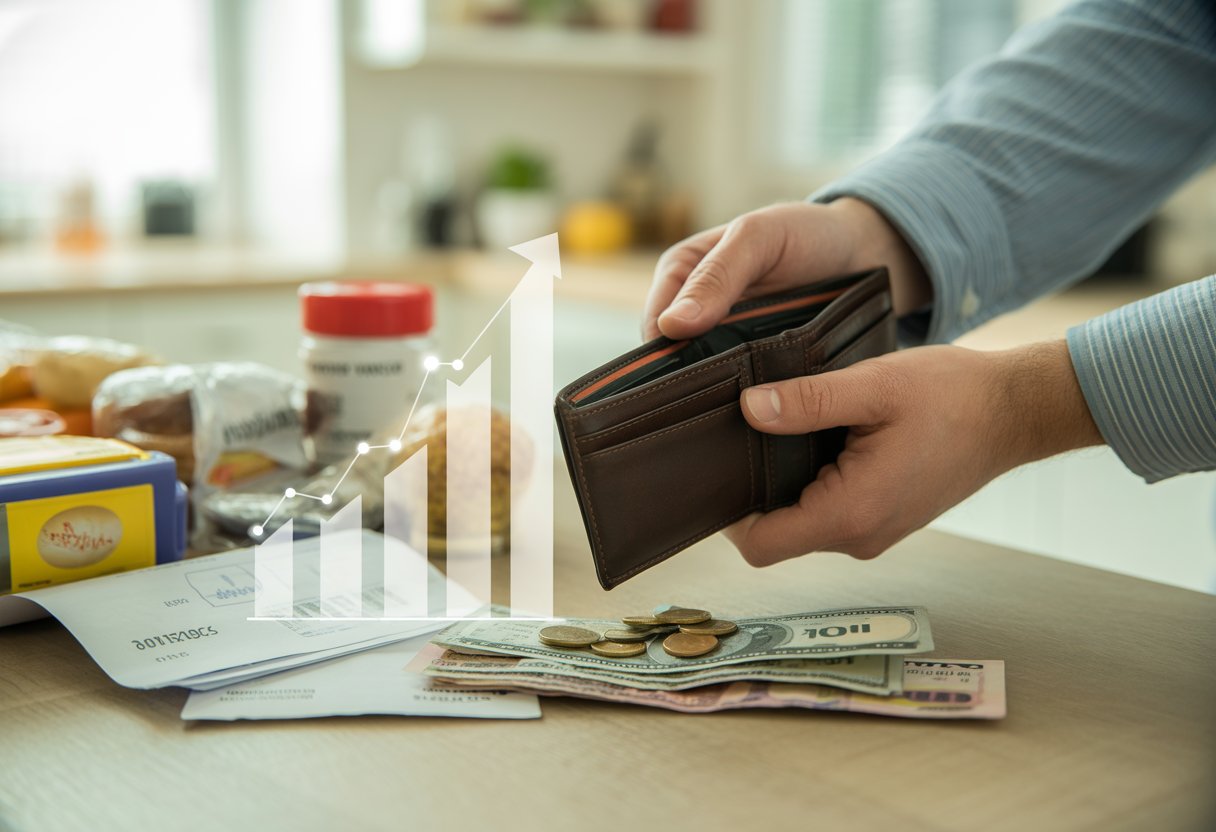
Understanding inflation is crucial because it impacts everything from grocery bills to rent payments. It also influences how individuals should plan their finances to protect their wealth against losing value.
By recognizing what inflation is and how it operates, people can make smarter decisions about spending, saving, and investing to maintain financial stability despite rising costs.
Understanding Inflation
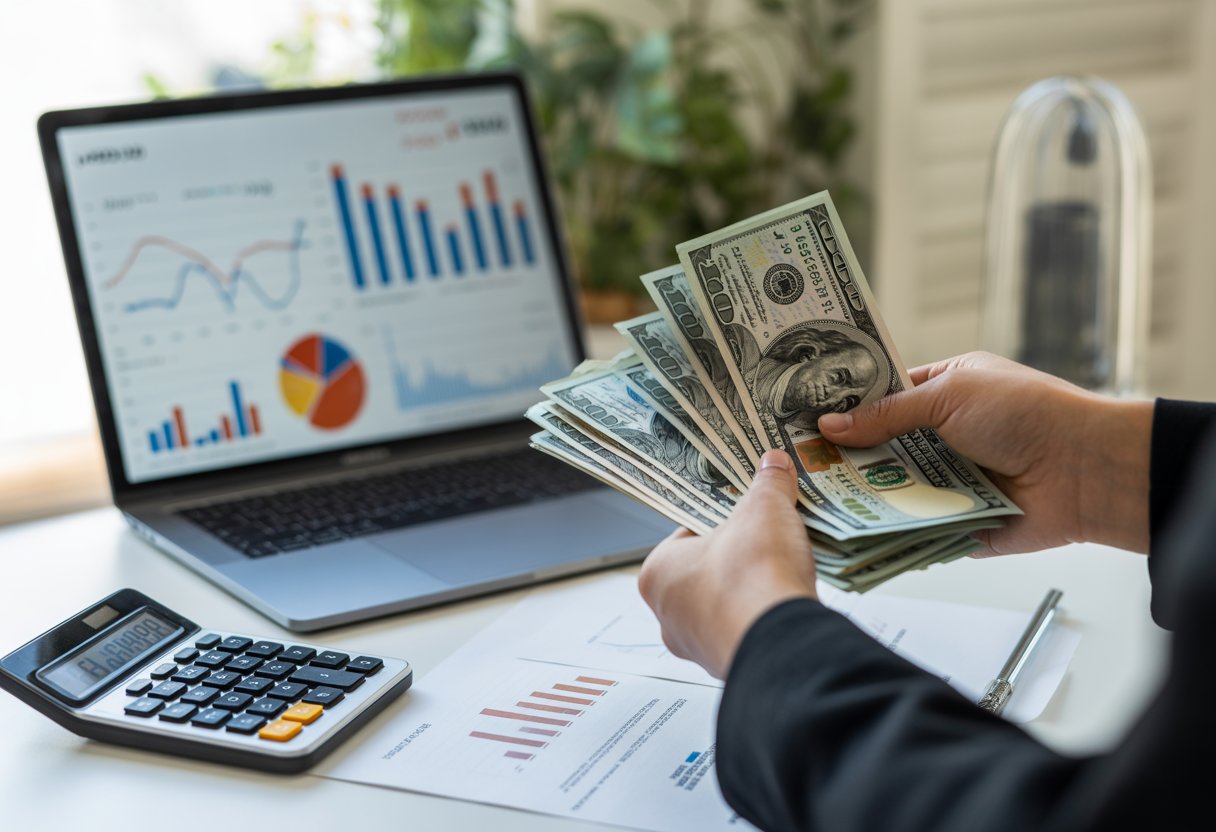
Inflation affects the prices people pay daily and the overall economy. It involves different types, official measurements, and distinct causes that drive price changes over time.
Definition and Types of Inflation
Inflation is the rate at which prices for goods and services rise, reducing purchasing power. When inflation occurs, each dollar buys fewer goods than before.
There are three main types of inflation:
- Demand-pull inflation: Happens when consumer demand exceeds supply.
- Cost-push inflation: Triggered by rising production costs, such as wages or raw materials.
- Built-in inflation: Results from adaptive expectations where workers seek higher wages to keep up with rising prices, creating a wage-price spiral.
Understanding these types clarifies why prices increase and helps anticipate economic changes.
How Inflation Is Measured
Inflation is primarily measured using price indices that track changes in the cost of a fixed basket of goods over time.
Key measures include:
- Consumer Price Index (CPI): Reflects changes in prices paid by urban consumers for typical goods and services.
- Producer Price Index (PPI): Tracks changes in prices received by producers, often preceding CPI changes.
- Personal Consumption Expenditures (PCE) Price Index: Used by the Federal Reserve for monetary policy, this index measures price changes based on broader consumption data.
These measurements serve as gauges for policymakers, businesses, and consumers to track inflation trends and make informed decisions.
Causes of Inflation
Inflation arises from multiple economic pressures:
- Excess demand in the economy, where spending outpaces production.
- Increases in costs of essential inputs like energy, raw materials, and labor.
- Monetary factors, such as growth in money supply exceeding economic output.
External shocks, like rising oil prices or supply chain disruptions, can also trigger inflation. Government policies and global economic conditions play significant roles as well. Recognizing these causes helps in understanding how inflation impacts various sectors.
Direct Effects of Inflation on Your Wallet
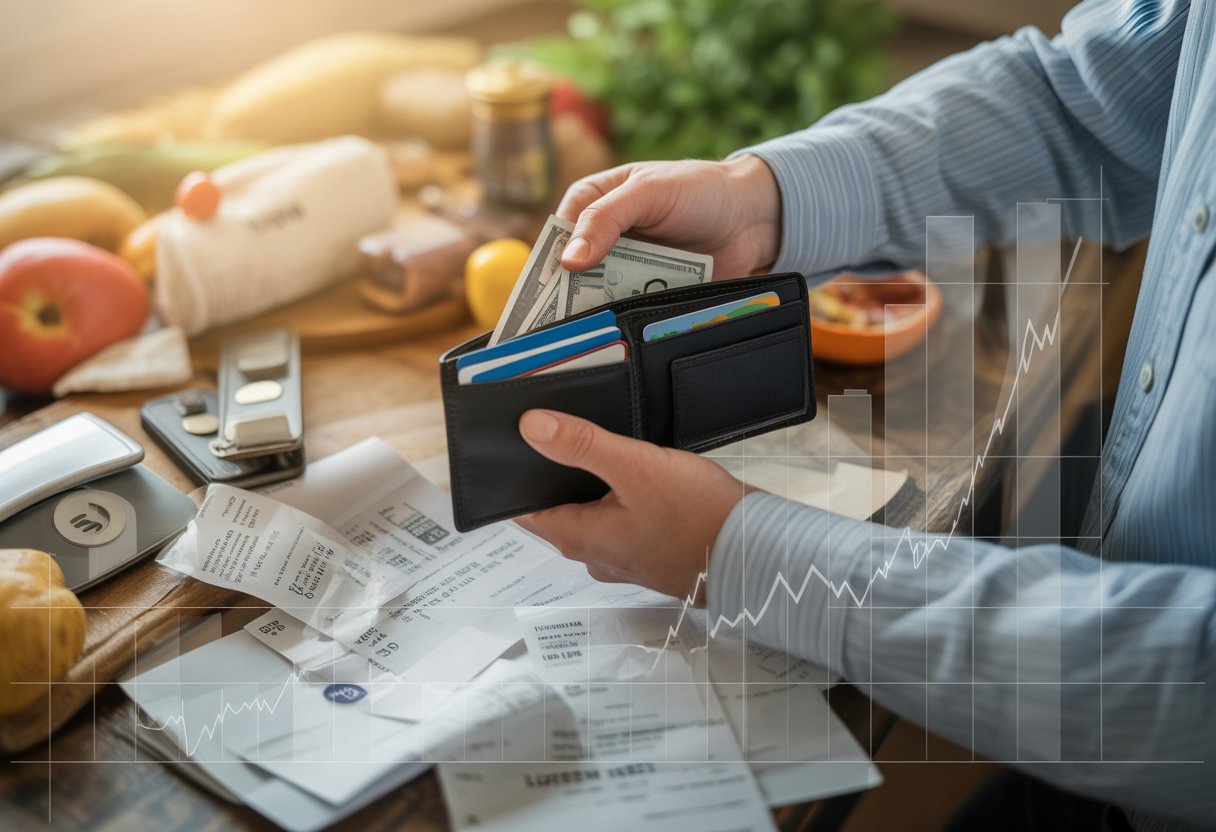
Inflation influences various facets of everyday finances by altering how money retains value. It directly impacts how much people can buy, the cost they face for basic needs, and the adjustments in their income over time.
Impact on Purchasing Power
Inflation reduces the purchasing power of money, meaning that the same amount of cash buys fewer goods and services over time. For example, if prices rise by 3% annually, $100 today will only buy what $97 does now after a year.
This erosion affects everyday expenses like groceries, gas, and household items. Without adjustments to income or savings, individuals will experience a gradual decline in their real wealth.
Purchasing power also influences saving decisions. Money kept in low-interest accounts often loses value when inflation outpaces returns, further decreasing available funds for future use.
Rising Cost of Living
As inflation causes prices to climb, the overall cost of living increases. Essentials such as housing, food, transportation, and utilities require a larger share of the household budget.
For example, rent and grocery bills typically rise during inflationary periods, forcing many to re-evaluate spending or cut discretionary expenses. This increase can strain monthly budgets.
Higher living costs mean that without income adjustments, maintaining the same lifestyle becomes more expensive. It also impacts how people prioritize spending, often focusing more on essential purchases.
Changes in Wages and Salaries
Wages and salaries do not always keep pace with inflation, creating challenges for income earners. When inflation rises faster than wages, real income declines, reducing buying power despite nominal salary increases.
Employers may offer cost-of-living adjustments (COLAs) to counteract inflation, but these are not guaranteed or universal. Without such raises, workers can struggle to cover rising expenses.
In some cases, inflation pressures lead to wage negotiations or policy changes, but the timing and scale vary widely. The gap between inflation and wage growth crucially affects household financial stability.
Managing Inflation’s Impact
Inflation reduces purchasing power, making it necessary to adjust financial actions to maintain stability. Careful budget updates, strategic investments, and forward-looking financial plans can help individuals protect their money against rising costs.
Adjusting Personal Budgets
When prices rise, discretionary spending should be cut first. Tracking essential expenses—such as housing, utilities, and groceries—and identifying areas for savings is crucial. Substituting lower-cost alternatives or buying in bulk can help reduce costs.
Regularly reviewing the budget allows for adjustments reflecting current inflation rates. Setting aside an emergency fund that considers inflation’s effect on daily costs helps maintain financial security. Avoiding unnecessary debt during inflationary periods is also important to prevent increased repayment burdens.
Investment Strategies During Inflation
Inflation often diminishes the real returns of cash and fixed income investments like bonds. Diversifying portfolios with assets that historically keep pace with or exceed inflation, such as real estate, commodities, or inflation-protected securities, can safeguard value.
Stocks in sectors like consumer staples or energy may perform better during inflation. Exploring Treasury Inflation-Protected Securities (TIPS) offers direct protection by adjusting principal with inflation. A balanced approach aligned with risk tolerance is essential to navigate inflationary environments.
Long-Term Financial Planning
Long-term plans should incorporate inflation rate assumptions to preserve purchasing power over time. Retirement savings goals must be adjusted upward to account for increasing future costs.
Selecting retirement accounts and investments with tax advantages can enhance growth despite inflation. Periodic reviews of financial goals and strategies ensure they remain relevant as economic conditions change. Financial advisors can assist in developing adaptable, inflation-aware plans.